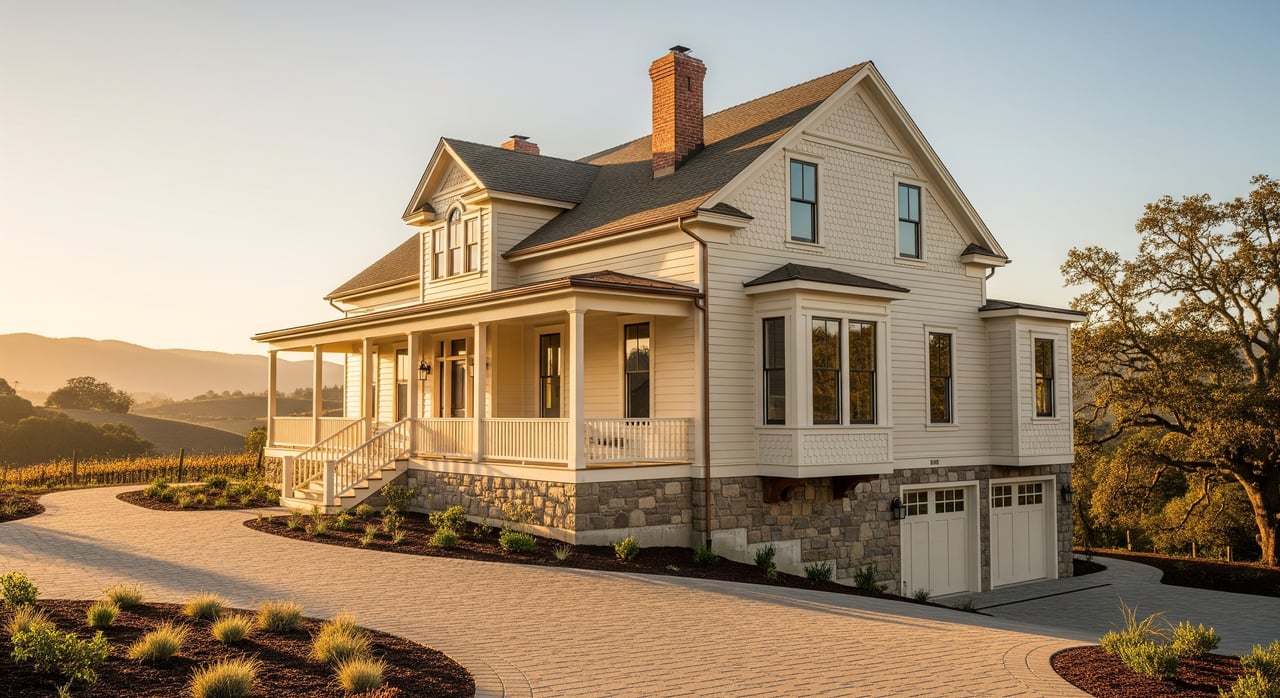
Is your Petaluma home ready for the next big shake? If you own an older wood-frame house, you are not alone in wondering what really matters and where to start. It is normal to feel unsure about cost, permits, and how much work is enough. In this guide, you will learn the most effective retrofit options, what to expect with permitting, how to choose pros, and ways to finance the project so you can protect your home and your resale value. Let’s dive in.
Why Petaluma homes need retrofits
Petaluma sits near active Bay Area faults, including the Rodgers Creek Fault and the broader San Andreas system. That means strong ground shaking is a real possibility. You can explore regional hazard data through the U.S. Geological Survey and state resources.
Many older Petaluma homes were built before modern seismic codes. Common vulnerabilities include weak or unbraced cripple walls, lack of anchor bolts, soft-story conditions around garage openings, and unreinforced chimneys. Addressing these known weak spots helps your home stay put and protects people inside.
Top retrofit options for wood-frame homes
Below are upgrades often recommended for older California homes. Your exact scope depends on your house, foundation, and site conditions.
Foundation bolting and sill plate anchorage
- Purpose: Keep the house from sliding off its foundation during shaking.
- What it involves: Adding anchor bolts or retrofit hardware that ties the sill plate to the concrete foundation.
- Complexity: Often prescriptive work that may not need engineering unless conditions are unusual.
- Relative cost: Low to moderate.
Cripple wall bracing in crawlspaces
- Purpose: Prevent short walls above the foundation from collapsing.
- What it involves: Adding plywood shear panels, new anchor bolts, hold-downs, and repairing or replacing sill plates as needed.
- Complexity: Many jurisdictions accept standard details; engineering is needed for complex layouts.
- Relative cost: Low to moderate.
Soft-story retrofits at garage or porch openings
- Purpose: Strengthen large openings on the lowest level that lack enough shear resistance.
- What it involves: Installing steel moment frames, new shear walls, or steel columns and beams. Foundation work is sometimes required.
- Complexity: Almost always requires a structural engineer and engineered plans.
- Relative cost: Moderate to high, with wide variation based on the structural solution.
Shear walls and continuous load path
- Purpose: Create a strong path for forces from roof to foundation.
- What it involves: Adding plywood sheathing, improved nailing, blocking, tie-downs, and hold-downs, including stronger connections between floors and walls.
- Complexity: Prescriptive in some cases; engineered solutions for more complex changes.
- Relative cost: Moderate.
Chimney and masonry bracing or removal
- Purpose: Reduce hazards from unreinforced masonry chimneys that can fall in an earthquake.
- What it involves: Bracing, reinforcement, rebuilding with reinforced materials, or removal and replacement with lighter systems.
- Complexity: Simple bracing can be prescriptive; rebuilds require design.
- Relative cost: Low to moderate, with removal and reroofing higher.
Nonstructural fixes that matter
- Purpose: Lower injury and property damage from falling items and broken utilities.
- What it involves: Strapping water heaters, securing tall furniture and cabinets, installing flexible gas connectors, and fastening heavy fixtures.
- Complexity: No engineering required.
- Relative cost: Low.
Note: Very old homes with balloon framing or unreinforced masonry elements need careful assessment. Soils, utilities, and access can also influence the right solution.
Permits and who to call in Petaluma
Most structural retrofits require permits. Unpermitted work can create problems for insurance claims and resale. Start by contacting the right local authority:
- City properties: Reach out to the City of Petaluma Building Division for permit requirements, plan submittal standards, and inspections.
- Unincorporated properties: Contact the Sonoma County Permit and Resource Management Department (PRMD).
- Code and guidance: Local plan reviewers use the California Building Code. For statewide preparedness and hazard updates, refer to Cal OES and the USGS.
Tip: A short call or email early in the process can confirm which documents, plan sets, and inspections your project will need.
What to expect: timeline and process
Every home is different, but the general path looks like this:
- Initial survey and scope
- Hire a home inspector with seismic experience or a structural engineer to identify vulnerabilities like missing anchor bolts, unbraced cripple walls, soft-story conditions, or unreinforced chimneys.
- Engineering and plans
- A structural engineer prepares drawings and calculations if required. Some bracing and bolting work can use prescriptive details.
- Permit application and plan check
- Submit to the City of Petaluma or Sonoma County PRMD. Expect comments and a back-and-forth to finalize plans.
- Contractor bidding and selection
- Get multiple bids. Confirm license, insurance, and local retrofit experience.
- Construction and inspections
- Work is sequenced with required inspections, typically foundation, rough framing, and final.
- Final approval and documentation
- Keep permits, plans, inspection reports, and final sign-off for your records, insurance, and future sale.
Typical timeframe ranges:
- Assessment: 1 to 3 weeks
- Plans and engineering: 2 to 6 weeks
- Plan check and permitting: 2 to 8 weeks
- Construction: Days to weeks for bracing and bolting, several weeks to months for soft-story or foundation work
- Overall: 1 to 3 months for smaller projects, 3 to 6+ months for larger structural retrofits
Choosing pros and managing bids
Working with qualified professionals makes the process smoother and safer.
- Structural engineer: Hire a California licensed civil or structural engineer experienced with residential retrofits.
- Licensed contractor: Verify status and any disciplinary actions through the California Contractors State License Board. For seismic upgrades, a general building contractor license is typical.
Vetting checklist:
- Verify license, insurance, and workers’ compensation.
- Ask for local retrofit references and similar project examples.
- Confirm who will handle permits. Experienced contractors usually manage the permit process.
- Insist on a clear scope, timeline, payment schedule, and change-order process.
- Request as-built drawings or final documents to keep with your records.
Costs and ways to pay
Actual costs depend on house size, access, soil and foundation conditions, and whether you need engineered solutions. Typical ranges include:
- Anchor bolts and sill plate anchorage: often in the low to mid thousands.
- Cripple wall bracing with anchorage: also in the low to mid thousands, depending on linear footage.
- Nonstructural bracing and utility safety: hundreds to low thousands.
- Chimney bracing or removal: low thousands, with removal and reroofing higher.
- Soft-story retrofit: often tens of thousands, sometimes mid five figures if steel and foundation work are required.
- Larger whole-house upgrades: can reach the high five figures.
Financing options many owners consider:
- Home equity loans or lines of credit, or personal home improvement loans.
- Renovation mortgages such as FHA 203(k) when purchasing or refinancing. Confirm details with your lender.
- State and local incentives have existed at times. Programs change, so check current offerings through Cal OES or the California Earthquake Authority.
- Some municipal or PACE-style financing programs have covered home improvements in the past. Availability for seismic work varies by area.
How retrofits affect insurance and resale
- Insurance: Documented seismic upgrades may help with earthquake coverage or premium considerations. Policies vary, so ask your provider and visit the California Earthquake Authority for consumer guidance.
- Resale: Permitted, inspected, and finalized retrofits show buyers your home is prepared. Keep permits, plans, and final sign-off as proof. California disclosure rules require you to report structural repairs and permit status at sale, so clean documentation helps.
Quick start checklist for pre-war homes
If your home dates to the early 1900s through the 1940s, start here:
- Collect basics: year built, past permits and retrofits, foundation type, and crawlspace access.
- Do a shallow self-check:
- Look for anchor bolts and sill plate condition.
- Note any cripple walls and whether they are braced.
- Identify ground-level openings such as garages or porches that might act like soft stories.
- Inventory unsecured heavy items, from water heaters to bookcases.
- Hire a structural engineer or experienced inspector for a focused evaluation and recommended scope.
- Contact the City of Petaluma Building Division or Sonoma County PRMD to confirm permits and submittal requirements.
- Get multiple bids, verify licenses through the CSLB, and confirm insurance.
- Maintain a record set: signed contracts, permits, plan sets, inspection reports, and final approval.
- Notify your insurance provider after the retrofit and keep documentation for future disclosures.
Planning to sell soon?
If a sale is on the horizon, a thoughtful retrofit plan can boost buyer confidence, reduce inspection friction, and support cleaner disclosures. You can balance scope, timing, and budget so you do not over-improve. With a curated local vendor network, you can line up engineers and contractors who know Bay Area seismic standards, move efficiently through permits, and document work that helps at appraisal and negotiation.
For eligible pre-sale improvements, you can explore modern funding options and timeline strategies with your agent. The goal is simple: protect safety and value while keeping your path to market smooth and predictable.
Ready to talk through the right plan for your home and timing? Request a free home valuation and seller consultation with Unknown Company.
FAQs
What seismic faults affect Petaluma homes?
- Petaluma is near the Rodgers Creek Fault and the broader San Andreas system, which can produce strong shaking. See regional hazard information from the USGS.
Which retrofit gives the most impact for older wood homes?
- For many pre-code houses, foundation anchorage and cripple wall bracing deliver strong risk reduction at relatively modest cost, with a soft-story fix needed if you have large garage or porch openings.
Do I need a permit for a seismic retrofit in Petaluma?
- Most structural retrofits require a building permit, inspections, and final sign-off. Contact the City of Petaluma Building Division or Sonoma County PRMD to confirm your scope.
How long does a typical retrofit take from start to finish?
- Small bracing and bolting projects often wrap in 1 to 3 months including permits, while soft-story or foundation work can take 3 to 6+ months.
How do I verify a contractor for seismic work?
- Confirm license and any complaints through the California Contractors State License Board, request local references, and ensure they carry general liability and workers’ compensation.
Can a retrofit lower my earthquake insurance premium?
- Some insurers may offer discounts or underwriting benefits for documented seismic upgrades. Policies vary, so check with your provider and review guidance from the California Earthquake Authority.