Trying to decide between East and West Petaluma? You’re not alone. Each side of town offers a distinct feel, from historic charm and walkable streets to newer homes and bigger yards. In this guide, you’ll get a clear, side‑by‑side look at housing, lifestyle, commute, parks, schools, and practical risks so you can focus your search with confidence. Let’s dive in.
How this guide defines East vs. West
For simplicity, this guide uses the Petaluma River and the US‑101 corridor as the rough dividing line. Neighborhoods west of the river are considered West Petaluma. Neighborhoods east of US‑101 are considered East Petaluma. Locals and brokers may draw these lines differently, and some areas feel more “central” than east or west. Keep that in mind as you compare options.
Housing and neighborhood character
West Petaluma at a glance
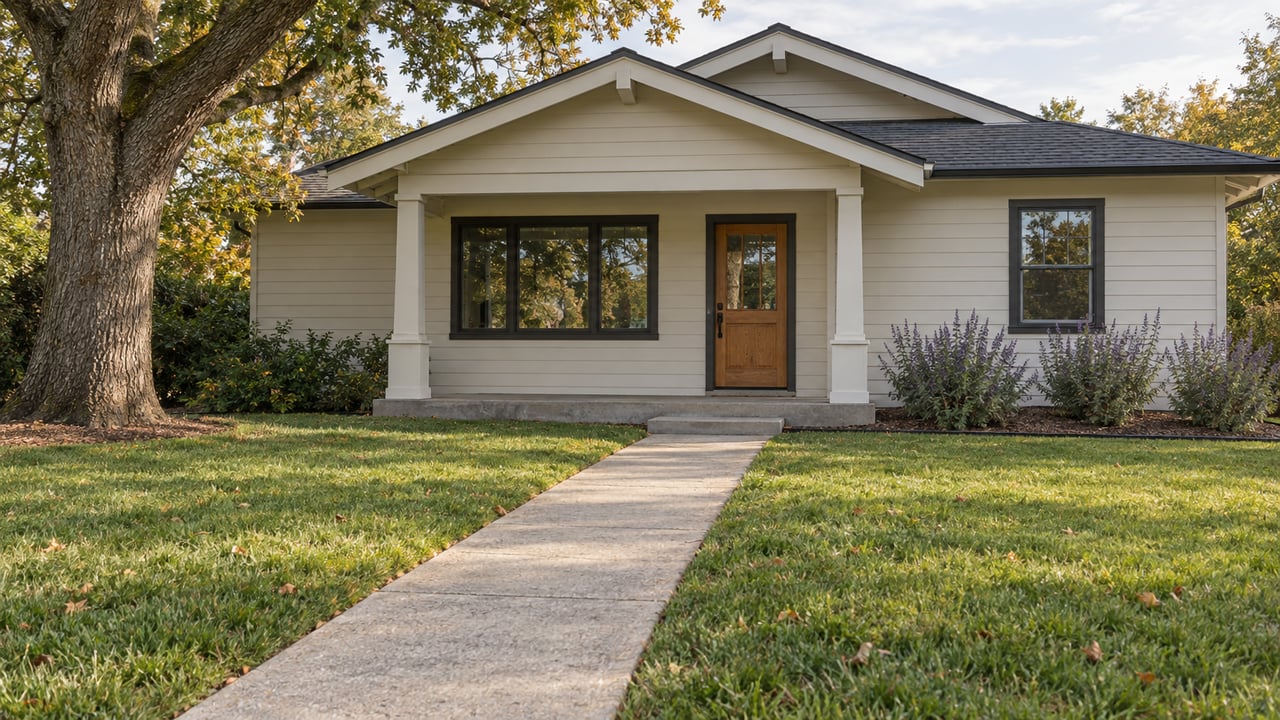
- Mix of historic homes, early 20th‑century bungalows, and mid‑century properties.
- Grid‑pattern streets near downtown with smaller lots and established trees.
- Period details and preserved facades are common in older pockets.
- Expect more variation in age, layout, and outbuildings like ADUs in select areas.
East Petaluma at a glance
- More mid‑century ranch and post‑1990 subdivisions with contemporary layouts.
- Cul‑de‑sacs and wider streets with garages and larger driveways.
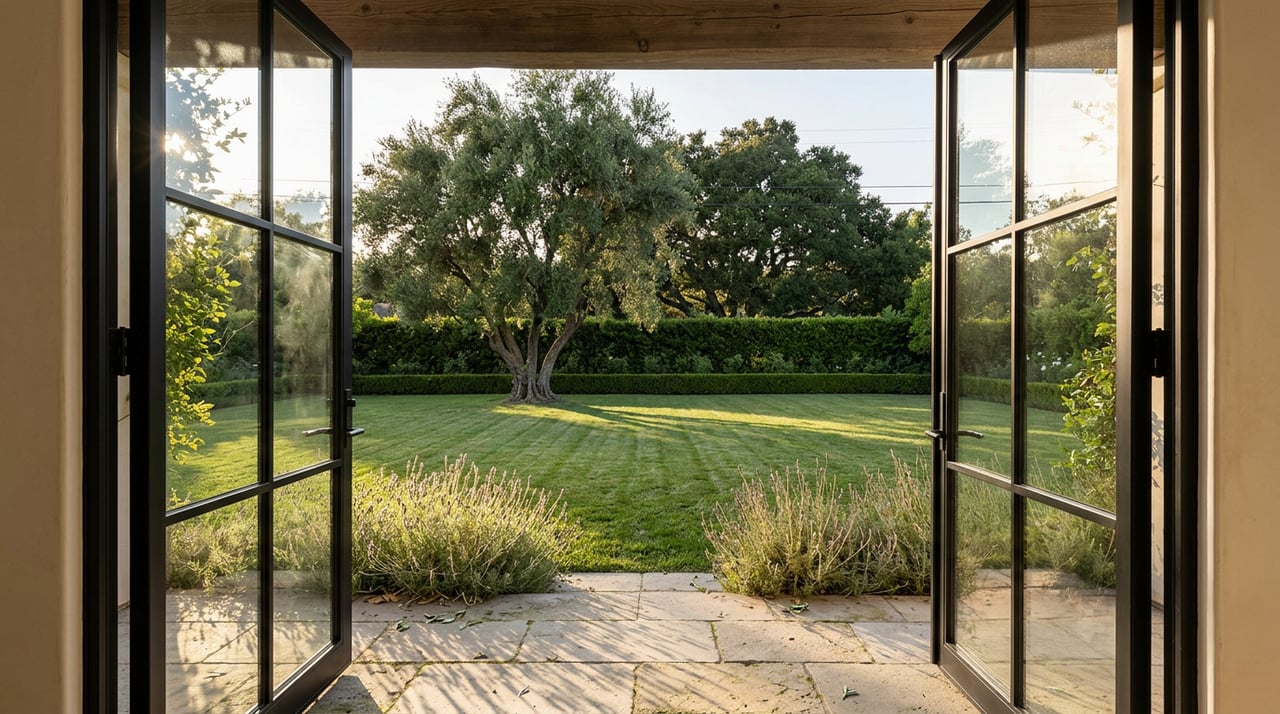
- Generally larger lots and yard space, often with outdoor entertaining in mind.
- Some newer communities may include HOAs and neighborhood amenities.
Downtown access and everyday lifestyle
West Petaluma
- Close to the historic core with restaurants, cafes, the farmers market, and events.
- Sidewalks and shorter blocks make day‑to‑day errands more walkable.
- Evening and weekend energy, with a strong neighborhood feel near downtown.
East Petaluma
- A short drive to downtown, with many daily needs met by nearby shopping centers.
- Neighborhood retail nodes and wider roads support easy car access.
- Sidewalks vary by subdivision, with pockets that are bike‑ and stroller‑friendly.
Commute and transportation
West Petaluma
- Typical routes to US‑101 use cross‑town arterials. Plan around peak‑hour signals.
- Many residents combine driving with park‑and‑ride or regional rail when practical.
- Local bike lanes and routes connect select neighborhoods to downtown.
East Petaluma
- Generally quicker access to US‑101 and regional routes for Marin or Sonoma commutes.
- Proximity to larger arterials can reduce in‑town drive time during rush hours.
- A practical choice if daily travel relies on highway access.
Public transit and regional connections are available citywide through county bus service and regional rail, with schedules that change over time. If transit matters to you, review current routes and timetables and test your door‑to‑door trip during typical commute windows.
Shopping, services, and conveniences
West Petaluma
- Boutique retail and independent eateries cluster around the historic downtown.
- Neighborhood markets and specialty shops support quick errands.
- Street parking and smaller lots are common near older commercial areas.
East Petaluma
- Larger shopping centers and chain grocers are more prevalent.
- Ample parking and multiple pharmacy, hardware, and big‑box options.
- Many daily needs can be handled without crossing town.
Parks, trails, and outdoor access
West Petaluma
- Rolling hills and nearby regional parkland offer hiking and scenic views.
- Neighborhood parks with playgrounds and sports fields are sprinkled throughout.
- Easy access to the riverfront from central areas.
East Petaluma
- Broad access to wetlands, river pathways, and loop trails for walking and biking.
- Community sports fields and playgrounds serve many subdivisions.
- A good fit if you value flat, stroller‑friendly paths and birding areas.
Schools and childcare
- Both sides of Petaluma are served by local public school districts. Boundaries can shift, and assignment depends on the exact address.
- Public, charter, and private options exist across the city, along with preschools and after‑school programs.
- If schools are a top priority, verify attendance zones directly with the district and review current performance data alongside school visits and program fit.
Site risks and inspection focus
- Flooding: Low‑lying areas near the Petaluma River can be in FEMA‑mapped flood zones. Check the FEMA Flood Map for any property you are considering and ask about local flood‑mitigation projects and seller‑reported history.
- Wildfire: Edge neighborhoods, particularly near open space or brush, can have elevated risk. Review CalFire fire hazard maps and consider defensible‑space practices.
- Age and infrastructure: Older homes may need foundation, sewer lateral, roof, chimney, or electrical upgrades. Newer properties can carry HOA fees. Always obtain a full home inspection and add specialized inspections if risks are identified.
Buyer profiles and likely fit
Use these profiles to self‑identify what usually works best. Every block is different, so treat these as starting points.
Downtown‑oriented buyer
- Often prefers West Petaluma for walkability, historic character, and quick access to dining and events.
- Tradeoffs: smaller lots and older systems that may need maintenance.
Family move‑up buyer seeking space
- Often prefers East Petaluma for larger lots, newer layouts, and cul‑de‑sacs.
- Tradeoffs: more car dependency and potential HOA fees in newer communities.
Highway commuter to Marin or Sonoma
- Many favor East Petaluma for quicker highway access.
- On the West side, plan cross‑town routes and signal timing during peak hours.
Downsizer seeking convenience
- Often leans West for proximity to shops, services, and community activities.
- Tradeoffs: fewer large outdoor spaces and historic‑home upkeep in some areas.
Remote worker prioritizing quiet and nature
- Could fit either side. West offers hill views and character. East offers larger yards and easy trail access.
- Focus on lot size, street traffic, and workspace needs.
How to choose your side: a simple checklist
Use this quick exercise to narrow your focus.
- Confirm school attendance boundaries for your exact address.
- Pull three recent comparable sales for the neighborhood you are considering.
- Check FEMA flood maps and ask for the property’s flood history.
- Review CalFire and county wildfire risk maps. Ask about defensible space and mitigation.
- Verify sewer vs. septic and age of major systems like roof, foundation, HVAC, and sewer laterals.
- Measure your commute to regular destinations during peak hours.
- Walk or drive the neighborhood at the times you would use it most.
- Ask for HOA documents, CC&Rs, and any special assessments if applicable.
- Schedule a full inspection and add specialized inspections if risks appear.
- Weigh your top three priorities, such as walkability, yard size, or commute time.
Put current market data to work
Neighborhood demand, inventory, and pricing change quickly. If you are comparing East and West Petaluma, request a custom set of comps that match your target home type and budget, then compare days on market, price per square foot, and recent list‑to‑sale ratios. That will help you see where your dollars stretch and how competitive each side is right now.
If you want a clear, data‑driven view of your options, reach out for a brief planning call. As a local expert focused on Petaluma and Sonoma County, I provide up‑to‑date neighborhood comps, on‑the‑ground context, and strategic guidance tailored to your goals. Connect with Jen Birmingham to get started.
FAQs
What is the main difference between East and West Petaluma housing?
- West often features older homes and smaller lots near downtown, while East tends to offer newer subdivisions, larger lots, and cul‑de‑sacs.
Which side is better for commuting to Marin or Sonoma jobs?
- Many commuters prefer East Petaluma for more direct highway access, while West works well if you combine driving with transit or adjust travel times.
How close are parks and trails on each side of town?
- West offers hills and regional park access, while East provides broad access to wetlands, river paths, and flat loop trails. Both sides have neighborhood parks.
How should I evaluate schools when choosing a Petaluma home?
- Confirm boundaries with the district for the exact address, then review current performance data and visit schools to assess programs and fit.
Are flood or wildfire risks a concern in Petaluma?
- Check FEMA flood maps for river‑adjacent areas and review CalFire fire hazard maps for edge neighborhoods. Order inspections tailored to any risks.
Do East Petaluma homes usually have HOAs?
- Some newer communities include HOAs with shared amenities or maintenance. Review fees, CC&Rs, and any special assessments before you write an offer.