Trying to pick the best moment to list your Petaluma home? Timing can shape how many buyers you attract, how your home shows, and how quickly you close. You want a plan that balances buyer demand, weather, and prep time so you do not leave money on the table. In this guide, you will see how late winter and spring compare in Petaluma, what to check in today’s market, and a step‑by‑step prep timeline for a Q1 or Q2 sale. Let’s dive in.
Petaluma seasonality at a glance
Across California, buyer activity usually builds in late winter and peaks in spring. New listings also surge in spring, which raises competition. Winter often brings lower inventory, which can help a well‑priced home stand out, but overall buyer traffic is lighter.
In Petaluma, many sellers aim for spring when gardens and trees are in bloom and daylight stretches longer. That seasonal curb appeal helps photos and first impressions. At the same time, some buyers begin their search in late winter, hoping to secure a home before the spring crowd arrives.
Winter vs spring tradeoffs
Late winter advantages
- Less competition since inventory is typically lower.
- Motivated buyers are already active and may move quickly.
- Opportunity to catch early‑season shoppers before spring listings flood the market.
Late winter considerations
- Fewer total buyers looking, which can mean fewer showings.
- Rain and gray skies can complicate exterior photos and open houses.
- Some buyers plan around summer moves and may not shop as actively in winter.
Spring advantages
- Higher buyer traffic and increased visibility for new listings.
- Better light, landscaping, and longer days that support stronger photography and showings.
- Greater chance of competitive offers when demand is strong.
Spring considerations
- More competing listings can dilute attention.
- Contractor and stager schedules book up early.
- If mortgage rates move higher by spring, some buyers could lose purchasing power.
What to check before you choose
Use current local metrics to pick your window with confidence. Review these with your agent:
- Months of inventory and median days on market for Petaluma.
- List‑to‑sale price ratio and recent closed sales for homes like yours.
- New listings versus pendings over the last 30 to 90 days to gauge momentum.
- Mortgage rate trend over the last few months and lender feedback on buyer pre‑approvals.
- Direct competition expected to list at the same time, especially in your price band and neighborhood.
Weather, photos, and curb appeal
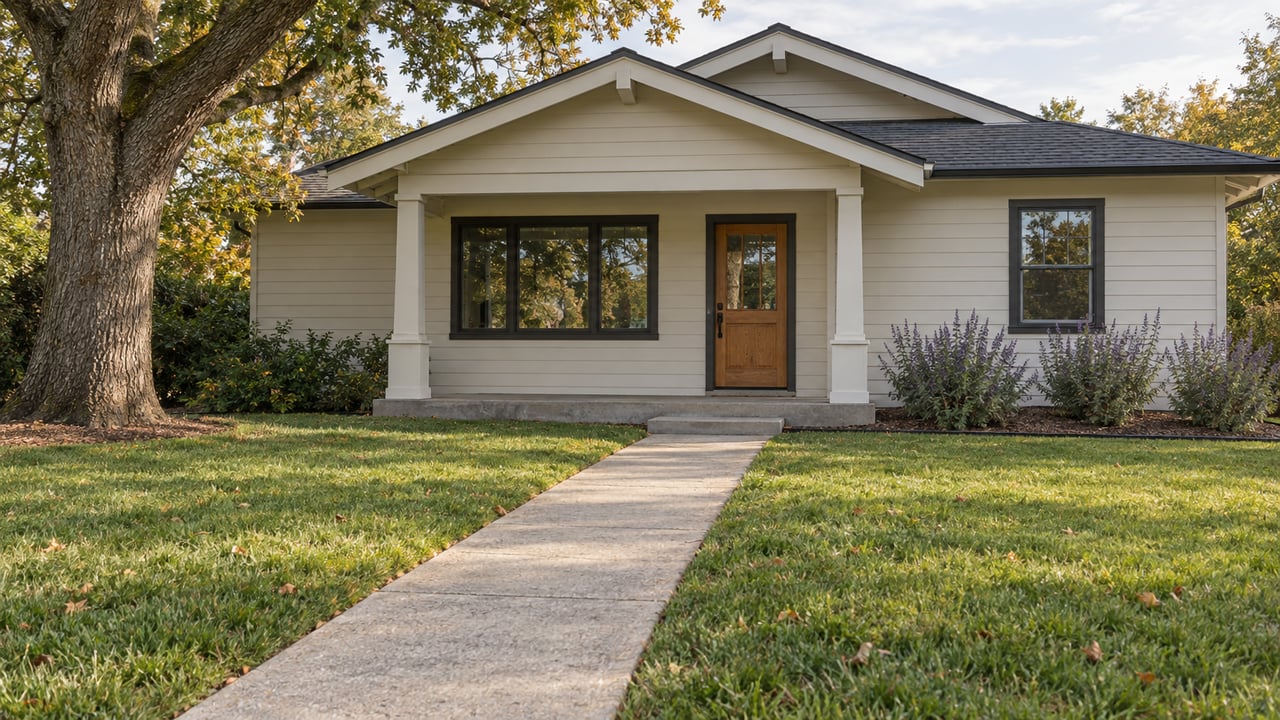
Petaluma’s winter is wetter with more overcast days, which can limit exterior work and photo scheduling. The upside is that lawns and some plantings look greener after rains, depending on current water rules. Spring typically offers better light, more consistent weather, and blooming plants that elevate first impressions.
Plan photography during clear weather windows and schedule exterior tasks with rain buffers. If more landscaping is needed, start early so plants can establish before photos. Use container plants to add color close to your photo date.
Prep timeline for a Q1 or Q2 sale
Every home is different, but most sellers need 4 to 12 weeks to get market‑ready. Here is a practical timeline you can tailor to your property and schedule.
8 to 12 weeks out
- Order pre‑listing inspections, including general home and pest, plus a roof check if the roof is older.
- Get contractor estimates and confirm any permits with the City of Petaluma if you plan exterior changes or significant updates.
- Choose a staging approach, full, partial, or virtual, and reserve your stager early.
- Begin weather‑sensitive projects such as exterior paint or roof work and build in rain buffers.
- Declutter and pack items you will not need for the next few months.
4 to 8 weeks out
- Complete cosmetic updates like paint touchups, hardware swaps, and lighting refreshes.
- Refresh landscaping with pruning, mulch, and seasonal color. Time it to peak for photos.
- Book professional photography and a virtual tour. Target a clear, bright day for exterior shots.
- Finalize pricing strategy and pick a launch day that maximizes exposure.
1 to 3 weeks out
- Finish staging and schedule a deep clean.
- Gather disclosures, permits, HOA documents if applicable, and inspection reports.
- Set your showing plan and open house schedule. Keep weekends flexible in spring.
- Confirm your photo, video, and 3D tour assets are ready.
Launch week
- Go live on the MLS with photos and virtual tour.
- Host a first open house and a broker preview if appropriate.
- Monitor feedback during the first 7 to 14 days and adjust marketing or pricing if needed.
Decision scenarios to guide timing
- You want minimal competition and an early escrow: List in late February or early March. Start prep in December or early January.
- You want maximum buyer traffic and can handle more competition: List in March or April. Begin prep in January or early February.
- You need significant exterior work and landscape improvements: Plan for an April launch, start work in late winter, and book contractors early.
- You must close before summer: Work backward from your target close date, allow 30 to 45 days for escrow, then choose a listing date that supports inspections and any repairs.
- You are watching mortgage rates: If rates are trending down, waiting could expand the buyer pool. If rates are flat or increasing, listing sooner may capture more qualified buyers.
Historic and permit checkpoints
Petaluma includes older and historic homes, and some neighborhoods have design or historic review. If you are planning exterior changes, confirm requirements with the City of Petaluma or the local historic review body before you start work. Build extra time into your schedule for any applications or approvals.
Marketing and funding tools that help
Aligning timing with the right prep and marketing can lift your sale price and speed to contract.
- Compass Concierge can front the cost of high‑impact updates and staging, repaid at closing.
- Compass Bridge Loan can help you buy first and sell next, if that fits your plan and qualifications.
- Coming Soon marketing can build early interest while you complete prep.
- A curated vendor network, including stagers, photographers, and contractors, keeps timelines tight and consistent.
- A seller‑first pledge, with no dual agency on your listing, keeps advocacy clear and your interests first.
Next steps
If you are debating late winter versus spring, your best move is to pair a current MLS snapshot with a realistic prep plan. You will see the tradeoffs clearly and choose the date that aligns with your goals. For a data‑backed timeline, vendor resources, and a pricing strategy tailored to your home, connect with Jen Birmingham.
FAQs
Is spring always the best time to list in Petaluma?
- Spring often brings more buyers and better curb appeal, but the best time for you depends on current local inventory, your home’s readiness, and your target closing date.
Will listing in winter mean a lower sale price?
- Not necessarily. With less competition and motivated buyers, winter can work well if your pricing and presentation are on point.
How far in advance should I start preparing?
- Plan on 4 to 12 weeks, starting earlier if you have exterior work, landscaping, or any permits to manage.
Should I order pre‑listing inspections in Petaluma?
- Yes, they can surface issues early, reduce surprises during escrow, and increase buyer confidence.
How do mortgage rates affect winter vs spring timing?
- If rates drift lower, waiting could expand the buyer pool. If rates rise or buyers expect higher costs, listing sooner may capture more qualified demand.
What if many homes similar to mine will list in spring?
- Differentiate with pricing strategy, strong visuals, staging, 3D tours, pre‑listing inspections, and flexible showing access to stay top of mind.
Do historic homes need extra lead time before listing?
- Often yes. Confirm any design or historic review requirements early and add a buffer for approvals or permits.