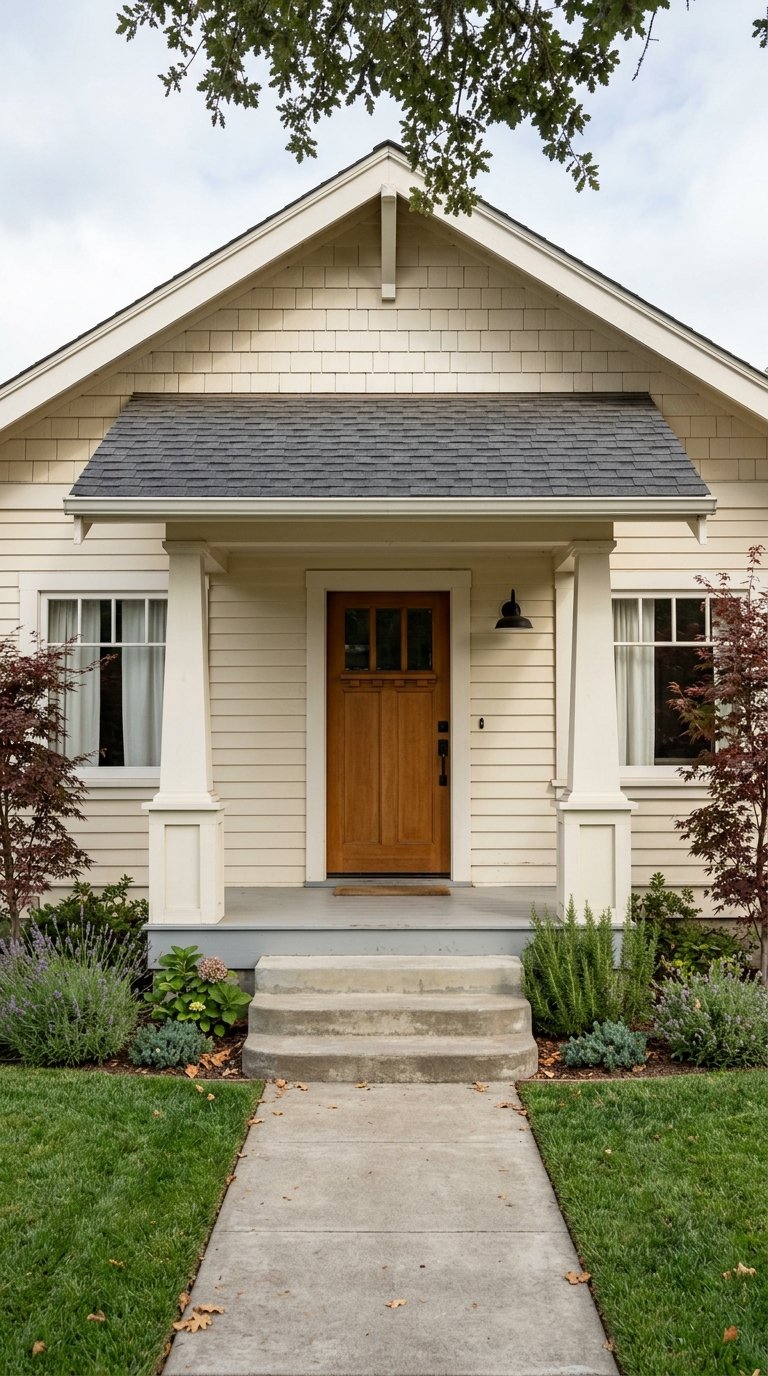
If you have ever looked at two Petaluma listings with the same bedroom count and wondered why they feel completely different, the answer is often architecture. In Petaluma, home style shapes not just curb appeal, but also how a house lives, how it ages, and what updates may be possible over time. This guide will help you understand the main home styles you will see around town, where they tend to show up, and what to notice before you buy or sell. Let’s dive in.
Why Petaluma architecture stands out
Petaluma’s housing story is tied to its river-and-rail growth, late-1800s prosperity, and later post-war expansion. According to the City of Petaluma, many homes from the 1860s onward still stand, and the city includes one National Register commercial district, two local historic districts, and more than 300 surveyed properties.
That history gives Petaluma a broad mix of home styles. You can find ornate Victorian-era houses near older blocks, Craftsman homes with strong architectural character, mid-century ranch properties on the east side, and newer construction in planned developments and infill projects.
For buyers, this means style is more than a visual preference. It often affects layout, maintenance, remodeling options, and resale positioning. For sellers, understanding your home’s architectural identity can help shape pricing, presentation, and marketing.
Key historic areas in Petaluma
Two of the most useful areas to know are the A Street district and Oakhill-Brewster. The City identifies A Street, south and east of downtown, as largely pre-1925 with intact examples of multiple styles. Oakhill-Brewster, north and west of downtown, is one of Petaluma’s earliest residential neighborhoods and spans styles from the 1850s through the 1980s.
These areas matter because they show the city’s architectural range in a compact way. They also remind you that some homes are part of a preservation framework, not just a neighborhood aesthetic.
If you are looking at a home in a historic district, exterior changes are a major consideration. The City directs owners to review district guidelines and the Secretary of the Interior’s Standards, and almost all exterior work requires some level of discretionary review.
Victorian and Queen Anne homes
Where you will see them
When people picture historic Petaluma, they are often thinking of Victorian-era homes. In local terms, that broad label can include Queen Anne, Victorian stick, Gothic Revival, and related late-19th-century styles.
The A Street district is one of the best places to see this mix. Local walking-tour materials point to homes on Fifth, Sixth, D, A, Keller, and Liberty Streets, including examples at 47 Fifth Street, 500 D Street, 504 D Street, 111 Sixth Street, 48 Sixth Street, 401 A Street, 1 Keller Street, 600 B Street, and 10 Liberty Street.
How to recognize the style
Queen Anne houses are often asymmetrical and rich in detail. The National Park Service describes features such as intersecting gables, turrets, stained glass, spindlework, and ornate porches.
At street level, these homes usually look vertical, layered, and decorative. If you are scanning listings, the easiest shorthand is ornate and vertical.
What living in one feels like
Victorian-era homes often have more defined rooms and more vertical circulation than newer houses. In day-to-day life, that can mean formal separation between spaces, more stairs, and a stronger sense of architectural drama.
For the right buyer, that is exactly the appeal. These are often character-first homes for people who value historic detail, older woodwork, and the feel of a walkable historic street.
What buyers and sellers should know
These homes usually come with more exterior elements to maintain. Painted wood trim, porch details, shingles, original windows, and decorative features are often part of the home’s identity.
In Petaluma’s historic districts, exterior work is commonly reviewed so repairs and additions stay compatible with the street-facing facade. City project files show that window replacements and additions are often expected to match the historic appearance or remain visually secondary from the street.
For sellers, intact details can be a real asset. For buyers, it is important to think about maintenance and future plans before you fall in love with the trim work alone.
Craftsman and bungalow homes
Where they tend to cluster
Petaluma’s strongest Craftsman presence appears in Oakhill-Brewster and in parts of the A Street area and nearby streets such as Oak, Howard, Walnut, Keller, and Liberty. City project files identify properties like 528 Oak Street, 8 Keller Street, 245 Howard Street, 309 and 307 Walnut Street, and 407 Oak Street as historic properties associated with this part of the housing story.
These homes often attract buyers who want character without the scale or formality of a larger Victorian. They are among the most approachable historic styles in Petaluma.
How to recognize the style
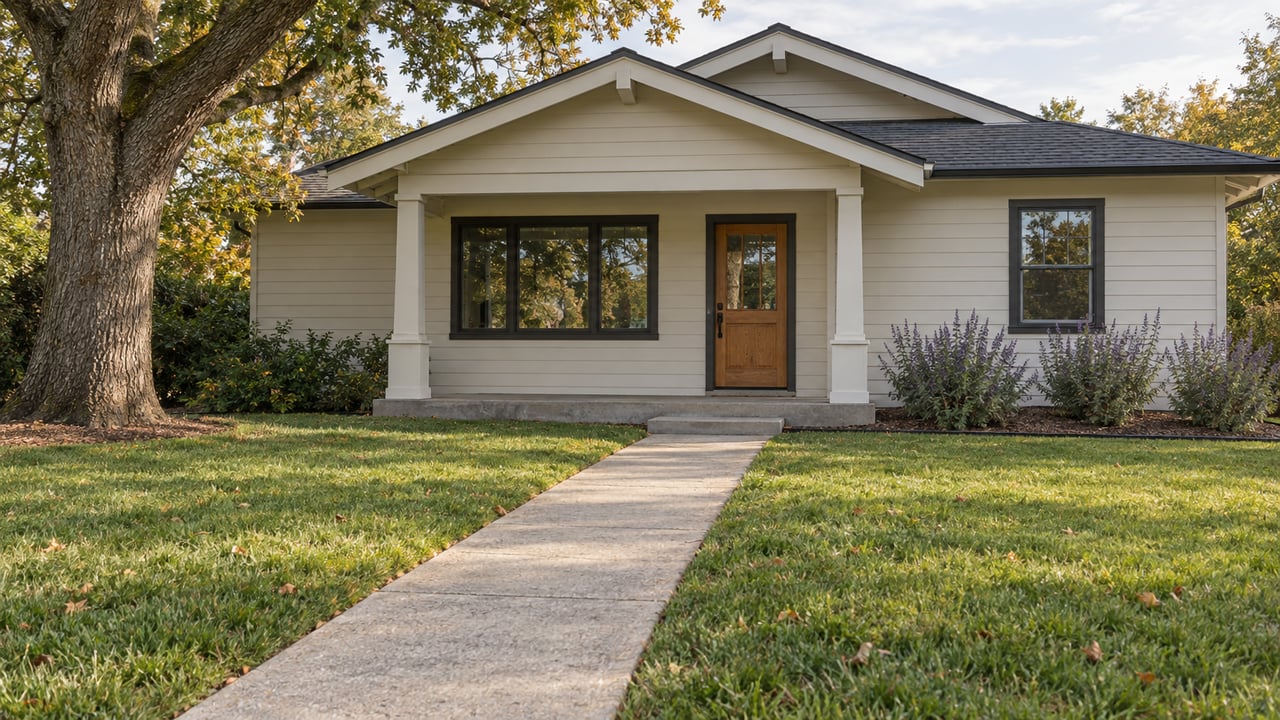
The Craftsman bungalow is usually one to two stories with broad, gently pitched gables, porches, windows with strong trim presence, stained woodwork, and a close connection to the yard. The Bay Area version is especially tied to practical, informal living.
If you need a simple way to compare styles while browsing listings, think handcrafted and porch-centered.
What living in one feels like
Craftsman homes often feel more relaxed and easier to use day to day. They are known for a better first-floor flow than many Victorian homes and a strong indoor-outdoor rhythm centered around the porch and yard.
That can make them a strong option if you want historic character but also want a home that feels practical and comfortable. Many buyers find this balance especially appealing.
What buyers and sellers should know
Maintenance still matters. Original wood windows, siding, trim, porches, and rear additions may all be treated as character-defining features.
Petaluma review files show a clear pattern: additions are often placed at the rear and designed to preserve the front elevation and period style. In one City file for 407 Oak Street, replacement windows were required to match the original exterior appearance without changing the openings.
For sellers, original trim, built-ins, woodwork, and a respectful rear addition can strengthen the story of the home. For buyers, these details are worth protecting because they often support long-term appeal.
Mid-century ranch and post-war homes
Why they are common in Petaluma
After World War II, Petaluma’s growth shifted east of the river. The City’s historic resources report notes that post-war tract housing in Minimal Traditional, Ranch, and Modern styles helped the city expand without redeveloping the historic core.
That pattern still shapes today’s housing map. If you are exploring east-side neighborhoods, you are more likely to encounter these practical, single-level post-war homes.
How to recognize the style
Ranch houses are generally single-story, horizontal homes with low-pitched roofs, rambling floor plans, and attached garages. Their design reflects a more casual approach to living, with distinct public and private zones inside the house.
The easiest shorthand here is low and easy-living.
What living in one feels like
For many buyers, ranch homes are appealing because they simplify daily life. Stairs are often minimized, circulation is straightforward, and indoor-outdoor living tends to feel natural.
These homes can also offer a flexible path for updates. Their layouts often support modern living expectations while keeping a relatively simple original footprint.
What buyers and sellers should know
Mid-century materials and original features can be worth a closer look. The National Park Service notes that many ranch interiors are now seen as historic resources and that original materials can be difficult to reproduce once removed.
In resale, the story is often about the lot, the single-level layout, and thoughtful updates that do not erase the home’s original identity. For sellers, that means improvements should support function and presentation without stripping away the details that make the home feel authentic.
Newer builds and contemporary infill
Where they show up
Newer housing in Petaluma is generally found in planned developments and infill projects rather than the historic core. The City’s residential project archive includes projects such as Creekwood Housing, Meridian at Corona Station, Riverview Apartments Development, Scott Ranch, Corona Station, Sartori Historic, Quarry Heights, and newer single-family construction including Mallison-Way Residence and Babow/Prentice Residence.
This part of the market gives buyers another option entirely. Instead of architectural pedigree, the focus is often on convenience, layout, and modern systems.
What they tend to look like
These homes are typically larger, more functional, and more contemporary in expression than older stock. City project pages describe detached homes with attached garages and decks in some developments, while other projects include materials such as cement plaster siding, corrugated metal cladding, bay windows, and street-front landscape improvements.
The quick shorthand is cleaner-lined and more turnkey.
What buyers and sellers should know
For buyers, newer construction often means easier day-to-day maintenance and floor plans that already align with modern expectations for garage space and flexible rooms. The tradeoff is usually less historic detail and less period charm.
For sellers, resale tends to depend more on floor plan, finish level, parking, and location than on architectural history. In other words, function often leads the conversation.
How to compare Petaluma home styles
When you are touring homes or preparing one for sale, a simple side-by-side lens can help:
- Victorian: ornate, vertical, and detail-rich
- Craftsman: handcrafted, porch-centered, and practical
- Ranch: single-level, horizontal, and easy-living
- Newer build: larger, cleaner-lined, and more turnkey
This kind of comparison can help you quickly sort what matters most to you. Some buyers prioritize character and original woodwork, while others care more about a flexible layout and lower maintenance.
Why architecture matters in a sale
In Petaluma, architecture often influences more than aesthetics. It can shape how a home is marketed, what improvements make sense before listing, and which buyers are most likely to respond.
For a seller, that means the right strategy is not one-size-fits-all. A Victorian may benefit from highlighting original trim and historic integrity, while a ranch may benefit from emphasizing single-level living, lot use, and smart updates. A newer home may need a presentation plan that focuses on functionality, finish quality, and turnkey appeal.
That is where local knowledge matters. When you understand how Petaluma buyers read architecture, you can position a home more clearly and make better decisions about preparation, pricing, and timing.
If you are thinking about buying or selling in Petaluma and want advice tailored to your home’s style, block, and likely buyer pool, Jen Birmingham can help you build a smart, local strategy.
FAQs
What are the most common historic home styles in Petaluma?
- In Petaluma’s older neighborhoods, you will often see Victorian-era homes, including Queen Anne, Victorian stick, and Gothic Revival, along with Craftsman and bungalow homes.
Which Petaluma neighborhoods are known for historic architecture?
- The City identifies the
AStreet district and Oakhill-Brewster as key residential historic areas, with homes ranging from the 1850s through the 1980s.
What should buyers know about historic district homes in Petaluma?
- In Petaluma historic districts, exterior work often requires discretionary review, so buyers should consider preservation guidelines before planning remodeling or major exterior changes.
Where are mid-century ranch homes most common in Petaluma?
- Post-war growth shifted toward the east side of the river, so that area is where buyers are more likely to find ranch, Minimal Traditional, and other mid-century homes.
How can sellers market a historic home in Petaluma effectively?
- Sellers usually benefit from highlighting style-specific features such as original windows, woodwork, porches, built-ins, and intact facades, while matching pre-sale improvements to the home’s architectural character.
Are newer homes common in Petaluma’s historic core?
- Newer homes are generally concentrated in planned developments and infill projects rather than in the historic core, where older housing stock remains a defining part of the city’s character.