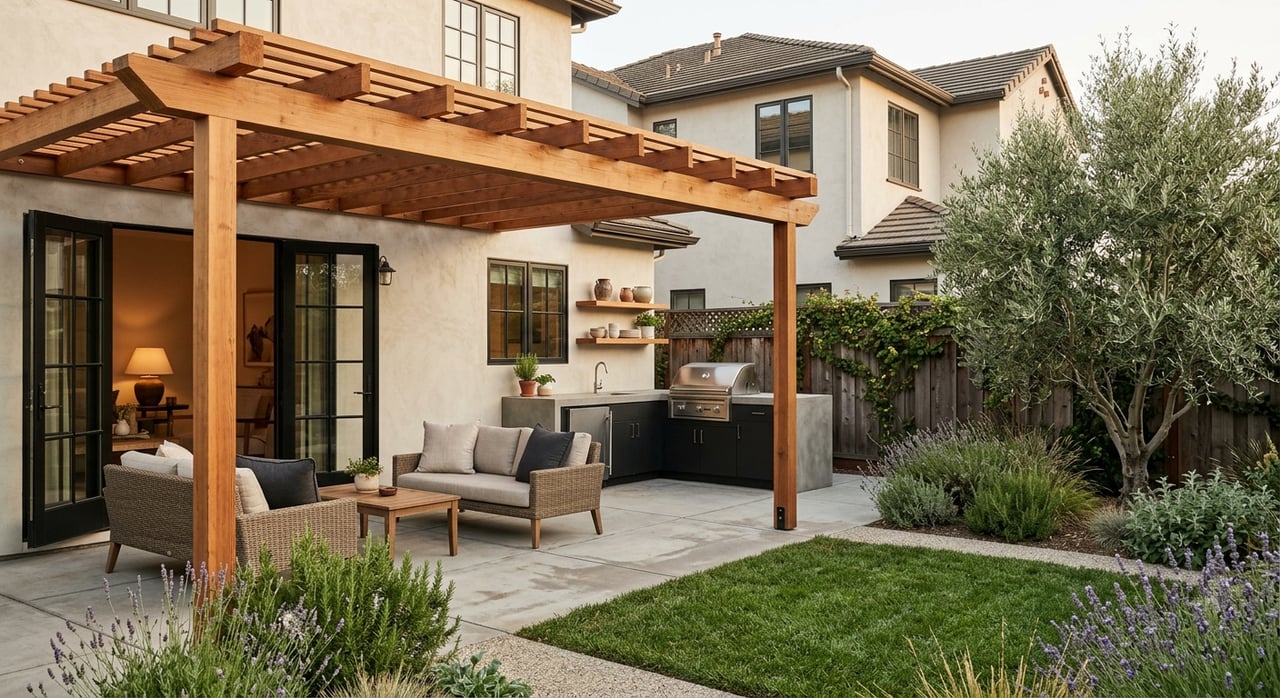
Wondering what really makes a backyard stand out in Petaluma? In a place where dry summers, cool winters, and outdoor living go hand in hand, the best yards are not always the biggest or the most elaborate. They are the ones that feel useful, comfortable, and easy to maintain. If you are thinking about buying, selling, or improving a home in Petaluma, here is how to think about outdoor space in a way that fits the local climate, city requirements, and buyer expectations. Let’s dive in.
Why outdoor space matters in Petaluma
Petaluma’s climate naturally supports outdoor living for much of the year. NOAA climate normals for Petaluma show average highs moving from 57.6°F in January to 81.6°F in September, with most of the area’s 25.56 inches of annual rainfall concentrated in winter. July and August are nearly dry, which shapes how people use and design their yards.
That weather pattern tends to reward patios, seating areas, shade, and practical hardscaping. Instead of large lawns that need regular irrigation, many homeowners find more value in outdoor spaces that feel like an extension of the home. In Petaluma, a well-planned backyard can support dining, relaxing, gardening, and everyday use without becoming a constant maintenance project.
Backyard features buyers notice
For many buyers, the goal is not a showpiece yard that looks good once a year. It is a yard that feels ready to use from the day they move in. That often means clear zones for seating, dining, pets, and a little gardening, all laid out in a way that feels intentional.
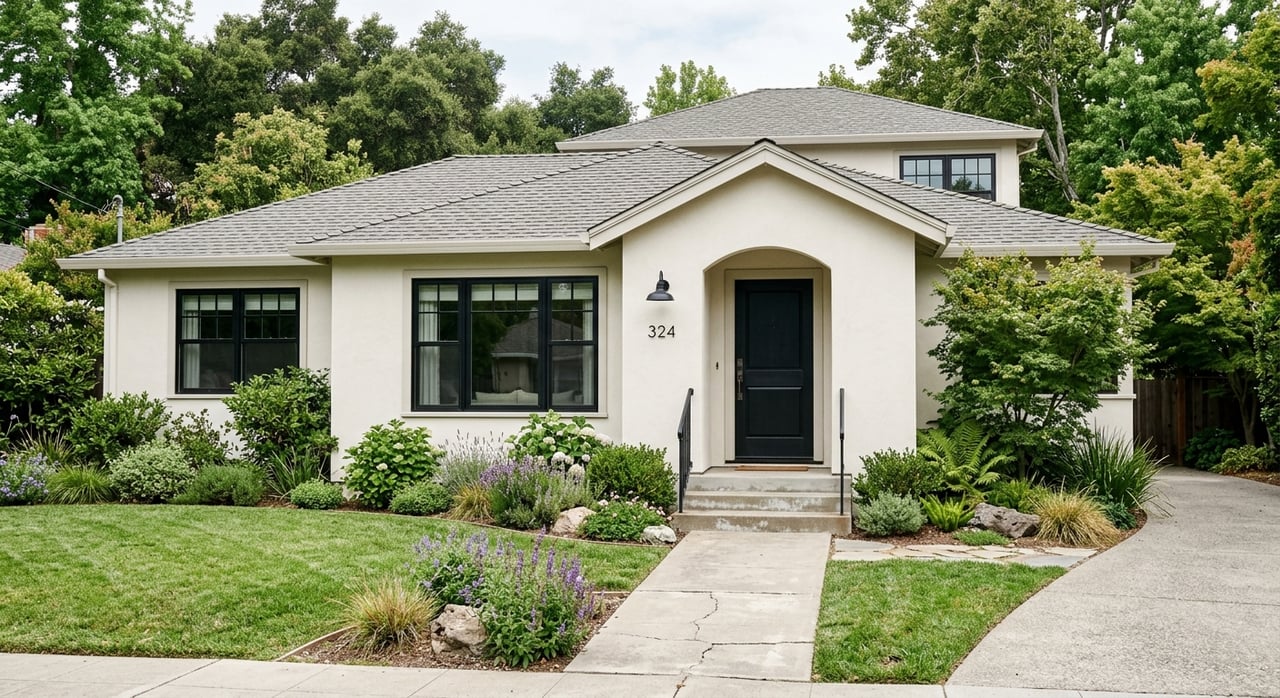
Research on outdoor features shows curb appeal remains highly influential. The National Association of REALTORS reports that 92% of REALTORS have suggested curb appeal improvements before listing, 97% say curb appeal is important in attracting a buyer, and 98% believe it matters to potential buyers. In Petaluma, that often translates into outdoor areas that look finished, functional, and easy to imagine enjoying.
Usable space often wins over extra space
A modest backyard with a defined patio, some shade, and low-water planting can make a stronger impression than a larger yard with no clear purpose. Buyers tend to respond to outdoor spaces that feel approachable and manageable.
That is especially true in a market like Petaluma, where outdoor activity is part of daily life. The city highlights assets like the Petaluma River Trail, riverfront wetlands, parks, and open space, which reinforces a lifestyle built around time outside. A home with a backyard that supports that rhythm can feel especially appealing.
What works well in Petaluma yards
The strongest outdoor spaces in Petaluma usually reflect local conditions. They are comfortable in warm, dry months, mindful about water use, and flexible enough for everyday life.
Here are a few ideas that fit the local setting well:
- Patios and courtyard-style layouts that create an outdoor room
- Shade elements that make afternoon use more comfortable
- Low-water plantings adapted to dry summers and wet winters
- Gravel paths or hardscape zones that reduce turf and frame the yard
- Small productive gardens for herbs or vegetables
- Pet-friendly fencing or durable surfaces for everyday use
- Flexible seating areas for dining, lounging, or entertaining
Sonoma County Master Gardener guidance supports this approach. Summer-dry gardens can work well with efficient irrigation, containers, courtyards instead of lawn, productive vegetable beds, and mixed plantings adapted to local conditions.
Water-wise design is not just a trend
In California, outdoor water use is a major part of household consumption. The California Department of Water Resources says about 40% of household water use happens outdoors, which is why efficient landscape design, irrigation, and plant selection matter.
In Petaluma, water-wise landscaping is also part of the local regulatory picture. The city notes that projects adding or changing 500 or more square feet of landscaping, or projects involving new fencing, walls, or outdoor furniture, may require review by city departments. The city also enforces year-round water waste rules, including prohibitions on runoff, overspray, watering within 48 hours of rainfall, and using potable water for non-recycling water features.
Smart updates for sellers
If you are preparing to sell, backyard improvements do not need to be extensive to be effective. In many cases, the goal is to make the outdoor space feel clean, usable, and aligned with Petaluma living.
Simple upgrades can go a long way when they help buyers picture how they would actually use the yard. Think less about adding every possible feature and more about creating a polished, low-maintenance space with clear purpose.
High-impact outdoor improvements
For sellers, these updates often offer strong visual and practical appeal:
- Refreshing a patio or seating area
- Replacing worn lawn sections with gravel, planting beds, or usable hardscape
- Adding drip irrigation to support efficient watering
- Creating one defined dining or lounge area
- Tidying planting beds with drought-tolerant species
- Improving fencing or gates where needed
- Clearing clutter and making circulation through the yard more obvious
The most effective backyards usually feel finished rather than overbuilt. A buyer should be able to walk outside and quickly understand where they would have coffee, eat dinner, garden, or let a pet out.
Fire-smart landscaping should be part of the plan
Backyard planning in Sonoma County should also include wildfire awareness. Fire Safe Sonoma explains that embers can ignite combustible materials in their path, and it recommends keeping the immediate 0 to 5 foot zone around the home free of flammable materials. Beyond that, the focus shifts to reducing fuel continuity through spacing, pruning, and maintenance.
This matters whether you are improving your home for yourself or preparing it for sale. Fire-smart design can still look attractive and feel welcoming, but it should start with safety near the house.
Key fire-aware design ideas
Fire Safe Sonoma recommends non-combustible materials close to the home, such as:
- Rock
- Stone pavers
- Cement
- Bare earth
- Gravel
- Sand
It also recommends clearing leaves from roofs and gutters and removing vegetation and debris from around and under decks. UC Master Gardener guidance adds that plant placement, hardscape breaks, and ongoing maintenance matter more than relying on the idea of a single universally fire-safe plant.
Before you build, check Petaluma requirements
Outdoor upgrades can improve daily living and market appeal, but some projects need city review or permits. In Petaluma, fences, decks, and hot tubs or spas commonly trigger permits or planning review. The city also requires permits for many changes to electrical or plumbing systems.
That means it is smart to check requirements early, especially if your project goes beyond cosmetic landscaping. An outdoor kitchen, for example, may need review if it adds gas, electrical, plumbing, or structural work.
Projects worth checking early
Before moving forward, review city requirements for projects such as:
- New or modified fencing
- Deck construction or replacement
- Hot tubs and spas
- Outdoor kitchens
- Electrical upgrades for lighting or appliances
- Plumbing additions for sinks or water features
This early step can help you avoid delays, redesigns, or surprises later.
How buyers can evaluate backyard potential
If you are house hunting in Petaluma, try to look past whether a yard is perfect today. Instead, focus on whether it has the ingredients for comfortable outdoor living that fits local conditions.
Ask yourself if the space has room for shade, seating, and a clear use pattern. Look at how much of the yard is already practical versus how much would need heavy irrigation or costly changes. Also pay attention to maintenance, hardscape condition, and whether improvements like decks or fences appear consistent with city requirements.
A simple backyard potential checklist
When touring a home, consider:
- Is there a clear area for dining or lounging?
- Is the layout easy to use without major changes?
- Does the yard rely heavily on thirsty turf?
- Are there signs of efficient irrigation?
- Is there practical shade for warm afternoons?
- Are materials near the home fire-aware and low maintenance?
- Would pets, gardening, or entertaining fit comfortably here?
A backyard does not need to be large to feel valuable. In Petaluma, thoughtful outdoor space often matters more than square footage alone.
Why this matters for resale
Outdoor living is part of how many people experience a home in Petaluma. A yard that feels useful, climate-aware, and manageable can strengthen first impressions and support overall marketability.
For sellers, that can mean focusing on targeted improvements rather than expensive overhauls. For buyers, it can mean seeing opportunity in a yard that already aligns with Petaluma’s climate and lifestyle. In both cases, the best outdoor spaces are the ones that make life easier and more enjoyable.
If you are weighing which backyard upgrades are worth making before a sale, or you want help evaluating outdoor potential when buying in Petaluma, Jen Birmingham can help you think strategically about what adds value in this market.
FAQs
What backyard features add value in Petaluma homes?
- In Petaluma, buyers often respond to usable outdoor areas like patios, seating zones, shade, low-water landscaping, productive garden beds, and practical fencing or hardscape.
What landscaping rules should homeowners know in Petaluma?
- The City of Petaluma says projects that add or change 500 or more square feet of landscaping, or include new fencing, walls, or outdoor furniture, may need review, and the city also enforces year-round water waste restrictions.
What outdoor projects may need permits in Petaluma?
- Fences, decks, hot tubs or spas, and many projects involving electrical or plumbing changes commonly require permits or planning review in Petaluma.
What makes a backyard water-wise in Petaluma?
- Water-wise backyards in Petaluma often use efficient irrigation, smaller lawn areas, drought-tolerant or locally adapted plants, hardscape, and layouts designed for dry summers and wet winters.
What does fire-smart backyard design mean in Sonoma County?
- Fire-smart design means using non-combustible materials near the home, reducing flammable materials in the first 0 to 5 feet, and managing vegetation through spacing, pruning, and regular maintenance.
What should buyers look for in a Petaluma backyard?
- Buyers should look for outdoor space that feels usable, easy to maintain, suited to local climate conditions, and realistic to improve without major water use or permit-related surprises.