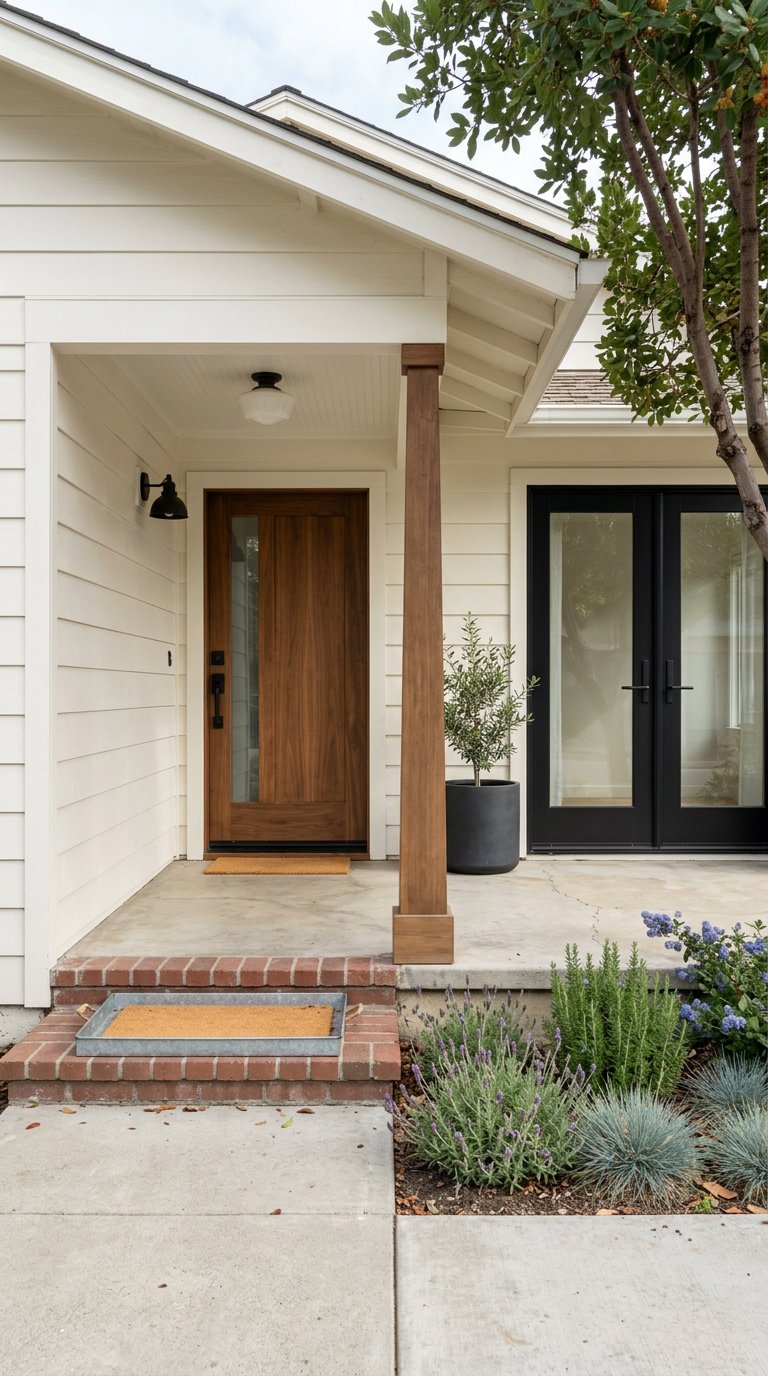
Touring homes in Petaluma and torn between a storybook Victorian and a turnkey newer build? You are not alone. Each option offers real advantages, along with unique costs and rules you will want to understand before you write an offer or plan a sale. In this guide, you will learn how the homes differ by architecture and layout, which inspections matter most by era, and which local programs and policies can affect your budget and timeline. Let’s dive in.
Quick market snapshot
Petaluma’s housing stock spans the late 1800s to recent infill, so values vary by condition, location, and era. Vendor snapshots show a wide range: Zillow’s Petaluma home value index sat near $873,148 as of Jan 31, 2026, while Redfin put the Jan 2026 median sale price near $785,000. Always pair a vendor name and date when you quote numbers, and use local MLS comps for your micro-neighborhood before you set price or offer terms.
Citywide, the average home age often lands in the 50-year range, reflecting a mix of pre-1940 homes near Old Town and West Petaluma, midcentury ranches, and 2000s-plus subdivisions and infill. For data context, review Petaluma’s housing age profile from ATTOM’s property data tools, which highlight the city’s broad age spread and neighborhood contrasts. You can see that blend reflected on the ground in West Petaluma and the downtown core, compared with East Petaluma’s larger planned communities and townhome infill. (ATTOM housing data)
Where you will find each type
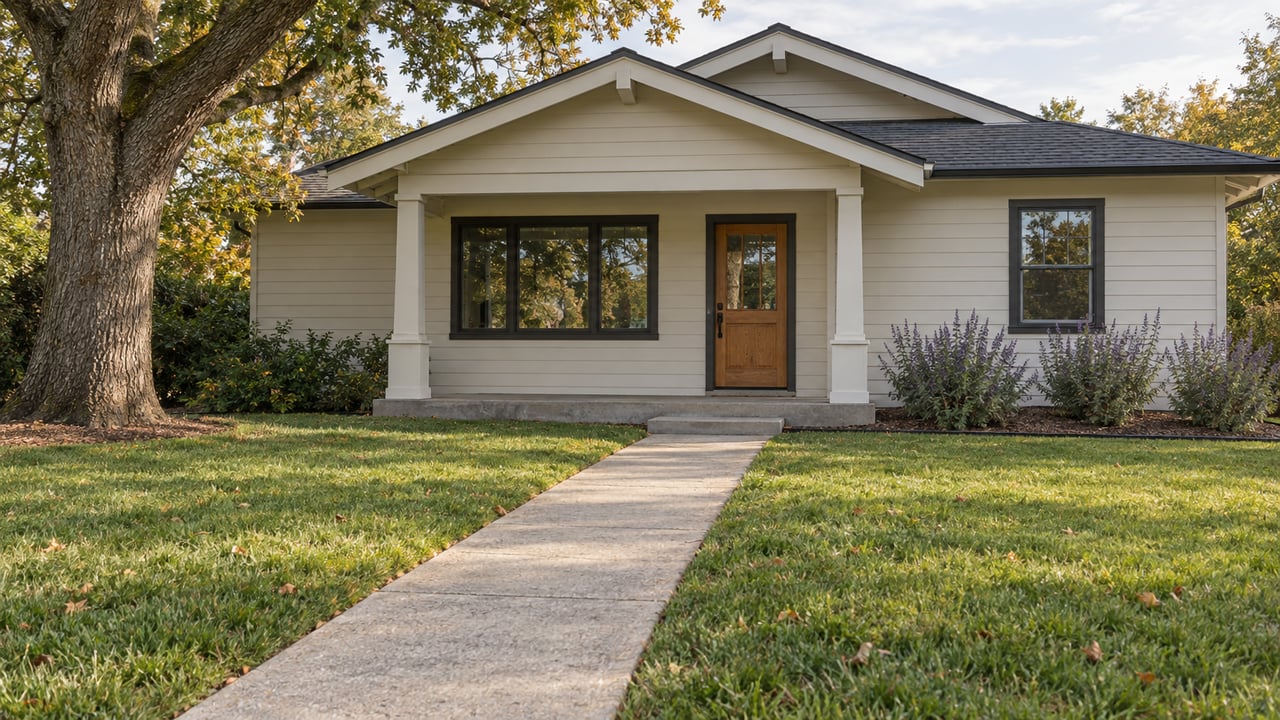
- Historic concentration: Old Town and West Petaluma feature many pre-1940 homes with Victorian, Italianate, and early Craftsman details. The downtown commercial spine is a National Register historic district, and nearby residential streets echo that heritage feel.
- Newer concentration: East Petaluma and recent infill areas include 1990s to 2000s subdivisions and 2000-plus construction with open floor plans, larger garages, and energy-efficient systems.
- Historic review tip: If the home is within a city-designated historic district, exterior changes can trigger review. Start with the city’s guidance on historic preservation standards and process. (City of Petaluma Historic Preservation)
Architecture and layouts by era
Pre-1940: Character and craftsmanship
Many late 19th and early 20th century homes around West Petaluma and near downtown show fir or oak floors, detailed millwork, built-ins, pocket doors, and inviting porches. Floor plans often have distinct rooms and smaller kitchens by today’s standards. Primary suites with en-suite baths are less common unless remodeled, and basements are typically small or crawlspaces. When systems are modernized while preserving period details, these homes can command strong interest.
1940–1979: Midcentury to early ranch
This era brings larger single-story ranches and practical layouts. Expect defined living and dining spaces, modest bedroom sizes, and detached or attached single-car to two-car garages. Many of these homes have seen kitchen or bath updates over time. Electrical, plumbing, roofs, and windows may be at various life stages, so plan for careful inspection.
1980–1999: Transitional updates
Homes from the late 20th century move toward more open living, bigger closets, and improved energy features compared to earlier eras. You often see two-car garages, family rooms connected to kitchens, and dedicated laundry. These properties may need cosmetic refreshes more than wholesale system replacements, depending on maintenance.
2000-plus: Open plans and efficiency
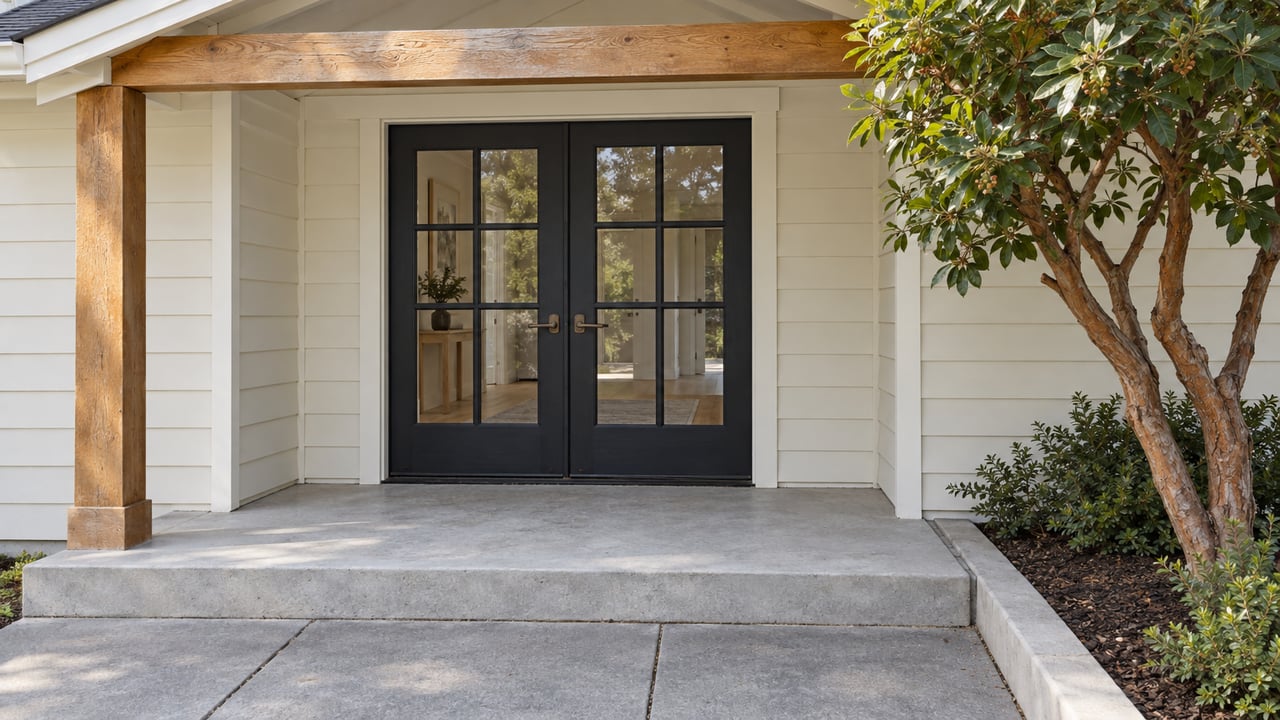
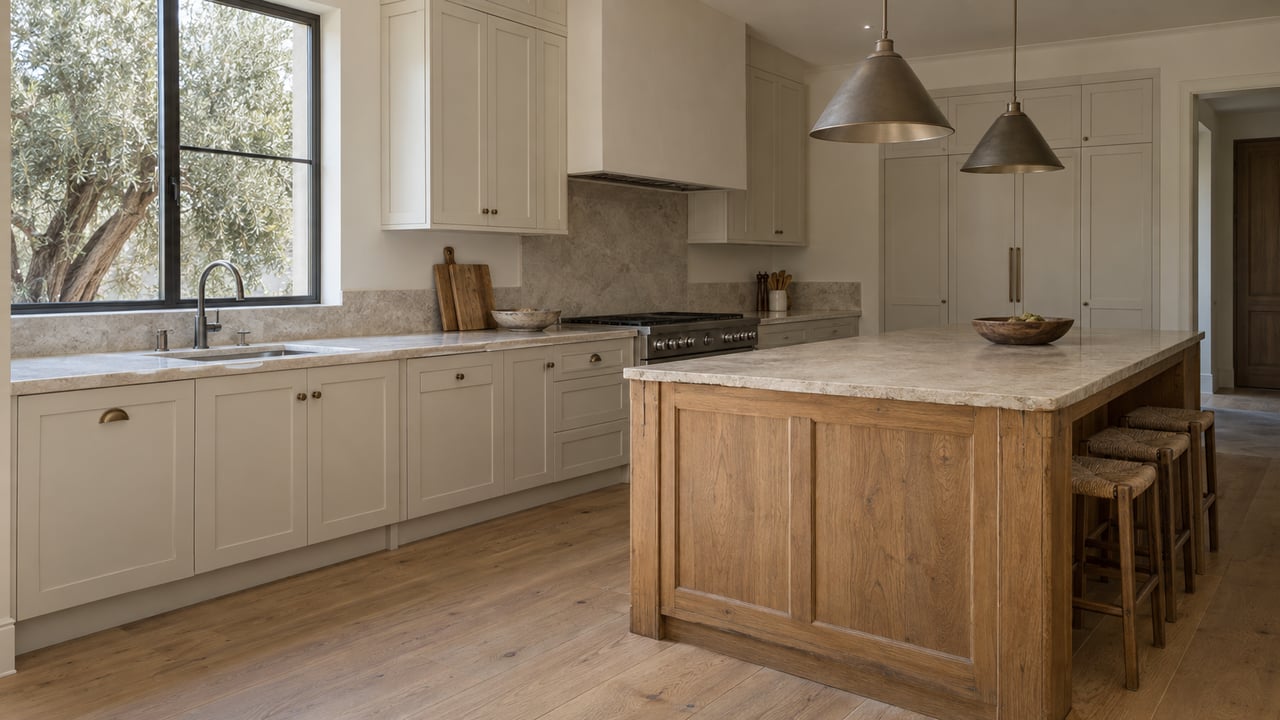
Newer construction emphasizes open great rooms, larger primary suites, modern kitchens, and indoor-outdoor flow. You are more likely to find attached two or three-car garages, contemporary finishes, and systems that meet recent energy codes. Many newer homes also incorporate features that support California’s solar and efficiency standards.
Inspections and maintenance by age
Pre-1940 and pre-1978 priorities
- Lead-based paint: Federal rules require the EPA lead pamphlet and disclosures for homes built before 1978. Renovation that disturbs paint is regulated under the EPA’s RRP rule, so plan timelines and budgets accordingly. (EPA lead guidance)
- Electrical safety: Knob-and-tube wiring, cloth-insulated conductors, and undersized service are not unusual in older Petaluma homes. These systems may affect insurability until evaluated or replaced. Ask for an electrician’s assessment if any obsolete wiring is present. (InterNACHI on knob-and-tube)
- Plumbing and sewer laterals: Galvanized supply lines and clay or cast-iron sewer laterals are common. In Petaluma, the lateral is the owner’s responsibility. The city offers a Sewer Lateral Replacement Grant with partial reimbursement, and typical replacement can run about $15,000 to $20,000. CCTV the line during escrow and plan negotiations with findings in hand. (Sewer Lateral Grant)
- Foundations and moisture: Raised foundations can show differential settlement, rot, or termite activity. A wood-destroying organism inspection is a smart move. Budget for drainage improvements and localized repairs where needed.
- Asbestos and historic materials: Some old insulation, flooring, mastics, and roofing may contain asbestos. Test suspected materials and use licensed abatement if you plan to disturb them.
- Efficiency upgrades: Older homes often have single-pane windows, minimal attic insulation, and aging HVAC. Many buyers plan for insulation, high-efficiency heating and cooling, and window improvements.
Post-1990 watchlist
- Workmanship and wear: Newer does not mean perfect. Check roof condition, window flashing, grading and drainage, and signs of water intrusion.
- Electrical and safety: Confirm GFCI and AFCI protection where required. Panel age and type still matter, especially in 1990s construction.
- Permits for additions: Many owners improve interiors or add space without permits. Verify permits and final inspections on significant past work.
- Systems outlook: Newer homes often meet code minimums, reducing near-term upgrade needs. Focus on predictable lifecycle items like HVAC age, water heater age, and appliance condition.
Energy and solar basics for newer homes
California’s 2022 Title 24 energy code requires minimum solar PV systems for most new single-family homes, with limited exceptions. That helps explain why newer homes often have lower operating costs than older homes that have not been retrofitted. If you are comparing homes across eras, factor utility costs and likely retrofit budgets into your decision. (CEC 2022 Energy Code)
Local rules that shape your plan
Historic districts and exterior work
Petaluma maintains historic districts and follows the Secretary of the Interior’s Standards for rehabilitation. Exterior changes in these districts can require review and longer timelines. Before you replace windows, alter a porch, or update siding, confirm whether your property is in a district and what the process requires. (Petaluma Historic Preservation)
ADUs and SB9 options
Petaluma permits accessory dwelling units and junior ADUs by right on most residential lots, with local development standards and some fee reductions for small units. SB9 also enables certain two-unit and lot split pathways under state rules. Buyers and owners use these tools to create rental income or multigenerational space. Review the city’s ADU guidance for parking, height, and permit notes. (Petaluma ADU guidance)
Wildfire risk and insurance
Insurance availability remains dynamic across Sonoma County. The California Department of Insurance’s Sustainable Insurance Strategy aims to improve access and recognize mitigation steps. Get quotes early in escrow, especially for hillside or rural properties, and ask carriers about defensible space and hardening credits. (CA Department of Insurance)
Earthquake hazards and disclosures
Petaluma sits within a regional fault system. For older homes and hillside lots, consider a foundation or geotechnical review, and plan to provide or review statutory natural hazard reports. The California Geological Survey posts fault zone mapping updates for Sonoma County. (California Geological Survey releases)
What buyers value and how it affects price
Across markets, buyers tend to prioritize move-in readiness, modern kitchens and bathrooms, energy efficiency, and usable outdoor space. Heritage buyers also value preserved period details paired with updated mechanics. These themes show up in current buyer preference surveys and can guide your budget and project list. (Buyer feature trends)
Pricing reflects both character and condition. In character-rich areas near Old Town and West Petaluma, well-preserved older homes can sell at a premium, while outdated systems can reduce appraised value or narrow the buyer pool. Newer homes often compete on floorplan, finishes, and system age more than on architectural ornament. Always evaluate micro-neighborhood comps with a local MLS search before you price or bid.
Smart updates that pay back
- Prioritize safety and structure first: electrical service upgrades, roof replacement where needed, sewer lateral repair, and drainage improvements.
- Target high-impact spaces: minor kitchen refreshes and midrange bath updates can provide strong appeal compared to high-end overhauls that outpace the neighborhood.
- Improve efficiency where it counts: attic insulation, air sealing, efficient HVAC, and window upgrades can lower operating costs and boost buyer confidence.
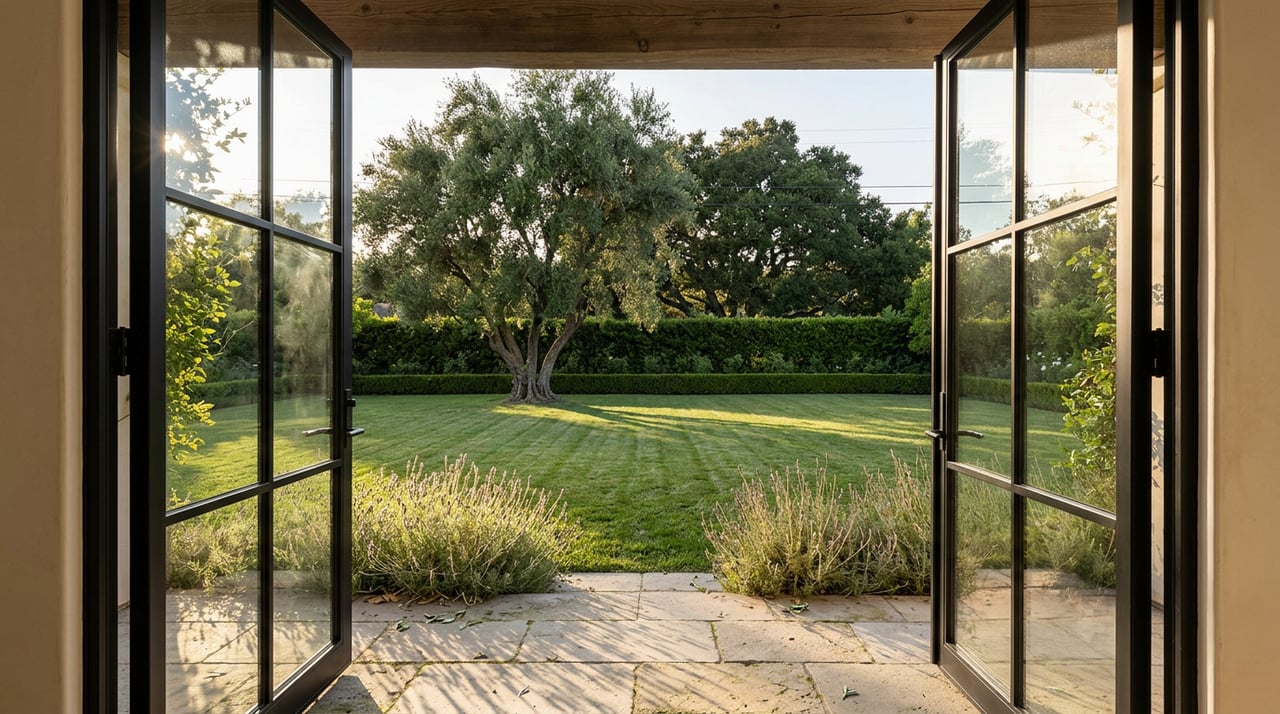
- Create outdoor living moments: simple landscaping, tidy hardscape, and seating zones help buyers picture daily life at home.
If you are selling, a pre-listing inspection can prevent surprises and support clean disclosures. For qualified sellers, Compass Concierge and Bridge Loan services can help fund and time value-driving improvements before you go to market.
Quick checklists
Buyers of vintage homes (pre-1940 and pre-1978)
- Ask for written records on electrical upgrades, service amperage, and panel type; order an electrician evaluation if older wiring is present. (Knob-and-tube overview)
- Order a sewer lateral CCTV inspection and get estimates for repair or replacement if needed. Review the city’s grant program. (Petaluma Sewer Lateral Grant)
- Plan for a WDO inspection and assess drainage around the foundation.
- Request information on insulation, window type, and HVAC age for energy planning.
- For pre-1978 homes, review the lead disclosure and EPA pamphlet before removing or disturbing paint. (EPA lead guidance)
- Check permit history for any past kitchen, bath, or structural work.
Buyers of newer homes (1990s and later)
- Confirm roof age, flashing details, and any signs of past water intrusion.
- Verify GFCI and AFCI protection and review panel brand and capacity.
- Check permits and finals for additions, garage conversions, and major remodels.
- Review HVAC age, water heater age, and duct condition to anticipate near-term costs.
- Ask about solar system ownership, inverter age, and production history if present.
- For planned communities or townhomes, review HOA budgets, reserves, and rules.
Sellers: what to document for buyers
- Systems: “Electrical service upgraded to 200 amps in 2019. HVAC replaced in 2021.”
- Plumbing and sewer: “Sewer lateral replaced with permits in 2022. Copper or PEX supply lines.”
- Roof and structure: “Roof replaced in 2018. Foundation repair by licensed contractor with warranty.”
- Permits: Include copies or a summary list with permit numbers and final sign-offs.
- Efficiency: “Added R-38 attic insulation and installed dual-pane windows in 2020.”
- Historic stewardship: Note preserved original features and any reviewed exterior work.
Sellers: pre-list improvements that attract offers
- Complete safety and system repairs recommended by a pre-listing inspection.
- Refresh paint, lighting, cabinet hardware, and landscaping for strong first impressions.
- Tune heating and cooling and service fireplaces where applicable.
- Stage for scale and light, and create at least one inviting outdoor seating area.
- Ask about leveraging Compass Concierge or a Bridge Loan to fund and time high-ROI work before launch.
Which is right for you?
Choose based on how you want to live and what you want to manage. If you love craftsmanship and walkable Old Town access, a pre-1940 home with modernized systems may fit you well. If you want open flow, larger garages, and built-in efficiency, a 2000-plus home can be the easier path. Either way, your best move is to compare true costs across inspection items, energy use, and any required historic or permit steps.
When you are ready to run the numbers, tour the right neighborhoods, and craft a negotiation plan, reach out to Jen Birmingham. Jen brings a seller-first, no-dual-agency promise for listings, Compass tools that remove friction, and patient, data-driven guidance for buyers and sellers across Petaluma.
FAQs
What is the current price range for Petaluma homes?
- Vendor snapshots vary by date and method. Recent reports show a broad mid-to-high six figure to low seven figure range, with Zillow near $873k as of Jan 31, 2026 and Redfin near $785k in Jan 2026. Verify with current MLS comps before pricing or offering.
What inspections are essential for a Petaluma Victorian home?
- Prioritize electrical evaluation for knob-and-tube, a sewer lateral CCTV with bids, a WDO inspection, and lead-based paint disclosures for pre-1978 homes, plus foundation and drainage checks. (Lead guidance) (Knob-and-tube overview) (Sewer Lateral Grant)
Are exterior changes restricted on historic Petaluma homes?
- If a home is in a designated historic district, exterior work is reviewed to align with the Secretary of the Interior’s Standards. Check the city’s historic preservation page before planning windows, porches, or siding. (Historic Preservation)
Do new homes in Petaluma require solar panels?
- Most new single-family homes must meet California’s 2022 Title 24 energy code, which includes minimum solar PV requirements with limited exceptions. Confirm specifics with your builder and the local building department. (CEC 2022 Energy Code)
How does wildfire risk affect buying in Petaluma?
- Insurance markets are evolving. Get quotes early, ask about mitigation credits, and review the state’s latest strategy for consumer guidance on availability and pricing. (CA Department of Insurance)
Should I worry about earthquakes when buying in Petaluma?
- Earthquakes are a regional reality. Review natural hazard disclosures, consider a foundation assessment for older or hillside homes, and consult current fault zone mapping for Sonoma County. (California Geological Survey)